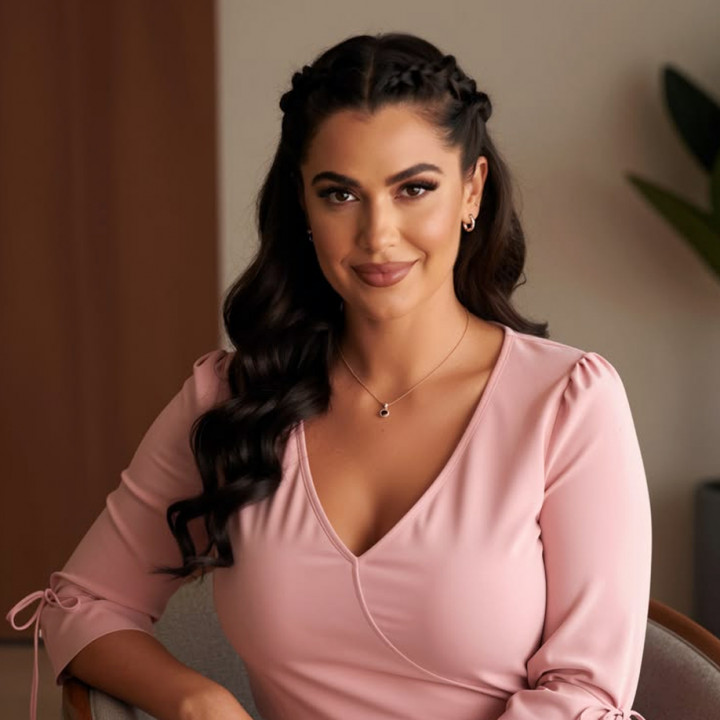
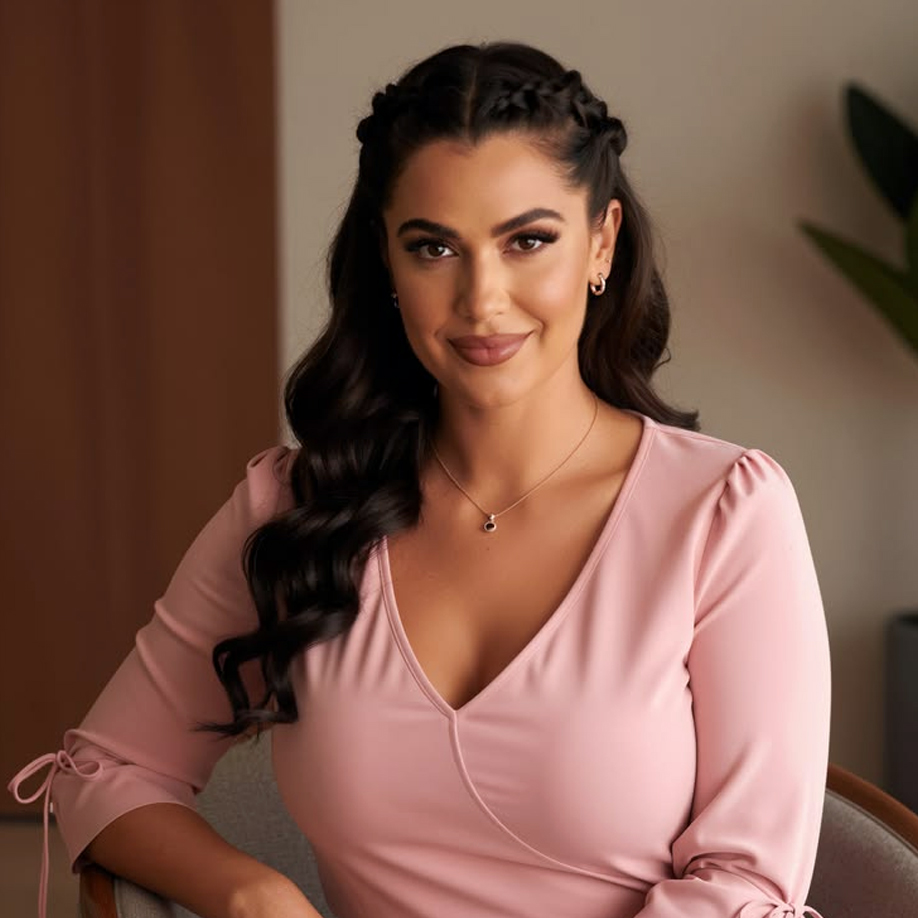
From First Look to Lasting Style: Dresses That Define You
Fashion often begins with a first impression, but great dress style is built through repetition. One striking outfit may attract attention for a few seconds. A well-developed dress wardrobe creates a recognizable visual language that can remain compelling season after season.
That language begins with silhouette.
Women’s dresses offer an enormous range of shapes, from fitted bodycon styles and tailored sheaths to A-line dresses, wrap dresses, shirt dresses, maxis, minis, and flowing midi silhouettes. Each shape communicates something different. A structured dress creates definition. A flowing dress emphasizes movement. A wrap silhouette introduces adjustable shaping. An oversized dress creates ease and volume.
Men’s fashion increasingly explores similar ideas through extended shirt silhouettes, tailored dress pieces, relaxed formalwear, tunic-inspired designs, and contemporary dress-like garments. The important point is not whether a particular silhouette belongs to a traditional category. The important question is whether the shape creates a convincing outfit.
Fabric is equally important.
Imagine the same dress produced in cotton, linen, velvet, satin, or chiffon. The pattern could remain almost identical, yet the finished garment would communicate completely different qualities. Cotton can make a dress practical and breathable. Linen can create a relaxed texture. Satin adds fluidity and sheen. Velvet introduces depth. Chiffon produces softness and movement.
This is why buying dresses purely because of their colour can be limiting.
Colour attracts the eye, but fabric determines much of the physical character of the garment.
Then there is detail.
A sharp collar can make a dress feel tailored. Pleats can introduce rhythm. Buttons can become a visual feature. A belt can redefine proportions. Draping can create movement without additional decoration. Even stitching, cuffs, pockets, and seam placement can influence whether a dress feels casual, formal, modern, vintage-inspired, or minimalist.
The smartest wardrobes use these details deliberately.
Instead of buying five dresses that perform exactly the same function, consider creating different roles. One dress can become an everyday favourite. Another can work for professional settings. A third can handle celebrations. A fourth can become the statement piece that changes the entire wardrobe around it.
This approach also makes styling easier.
A simple dress can be transformed through footwear, layering, belts, jackets, scarves, or accessories. But the foundation remains the dress itself. If the silhouette is weak, accessories often become distractions rather than solutions.
There is also something important about repeating clothes.
A dress does not become less fashionable because you have worn it before. In fact, repeatedly wearing a strong garment can make personal style more recognizable. The goal of fashion is not to appear permanently new. It is to develop combinations that feel unmistakably yours.
The most memorable wardrobes are therefore not necessarily the largest.
They are the wardrobes where every dress has a reason to exist.
A great dress earns its place through fit, fabric, versatility, construction, and character. Trends may introduce new possibilities, but personal style decides which ones deserve to stay.
That is how a first impression becomes a lasting style.